Gib das Jahr ein, in dem du geboren wurdest, um dein tibetisches Zeichen zu erfahren
Jahr
⸻ ༀ ཨ ཧ ⸻
Dein Tibetisches Horoskop
Beschreibung
Dein Element
Mewa — Magische Zahl
Lebensenergie
Persönlichkeitsmerkmale
Kompatibilität
Glücksattribute
⸻ ༀ ཨ ཧ ⸻
Find your animal, element, polarity and annual Mewa, then explore the reading through examples that leave room for reflection.
What this tool calculates
Losar in the Phugpa calendar determines the animal, element and annual Mewa. Births before Losar use the previous year. Mewa follows a descending nine-year cycle. The civil birth date is compared with the date of Losar, without an hourly adjustment at dawn. Other Tibetan traditions can give different dates; this is not a complete Tibetan chart.
An example to understand the date
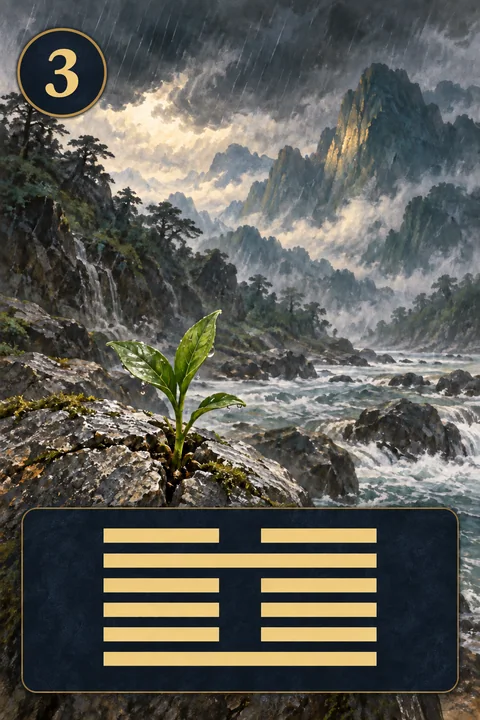
In the Phugpa calendar used here, Losar in 2025 falls on February 28. February 27 still uses 2024 and Mewa 3; February 28 uses 2025 and Mewa 2. Check the applied year and Losar date before comparing results. The tool uses the civil day without adjusting the boundary to a dawn birth time.
How to work with your reading
Begin with the animal, then add the element, polarity and Mewa as layers of a reading. The Mewa text offers a color image and a contemporary observation exercise. Note what connects with an experience; luck and affinity associations do not establish obligations or future outcomes.
FAQ
How to use it
Enter your full birth date, calculate and read the result. Return to the form to use another date. Supported dates: 1900–2100, up to today.
Which Mewa does this tool calculate?
It calculates the annual Mewa of the applied Tibetan year, within a descending sequence of nine values. It is not an age-adjusted Mewa or a complete Tibetan chart. Repeating the same date preserves the number.
Why might another Tibetan calculator show something different?
It may use another calendar tradition, a different Losar date or an adjustment for birth time. This version uses Phugpa and compares civil dates. Check those conventions before interpreting a difference as an error.
Does AI create a new response each time?
No. These five tools calculate a calendar correspondence and display texts from a prepared catalogue. The same date and language preserve the reading. The examples are contemporary editorial reflection prompts, not verified predictions.
How do I save the reading and my own notes?
Once the result appears, use “Save reading”. Reopen it in “My readings” through the magnifying glass or star panel, add notes and download it as text. It stays in this browser without registration; clearing browser data can also remove the readings.
Sources and convention
Losar in the Phugpa calendar determines the animal, element and annual Mewa. Births before Losar use the previous year. Mewa follows a descending nine-year cycle. The civil birth date is compared with the date of Losar, without an hourly adjustment at dawn. Other Tibetan traditions can give different dates; this is not a complete Tibetan chart. Sources and convention