Oracles
Online Oracles with AI
Online Oracles with AI — Explore the tools in this section and choose a reading for your question. Each page explains how it works and what the result includes.

Viking Runes Oracle
This modern variant uses the 24 Elder Futhark runes.
Russian Gypsy Oracle
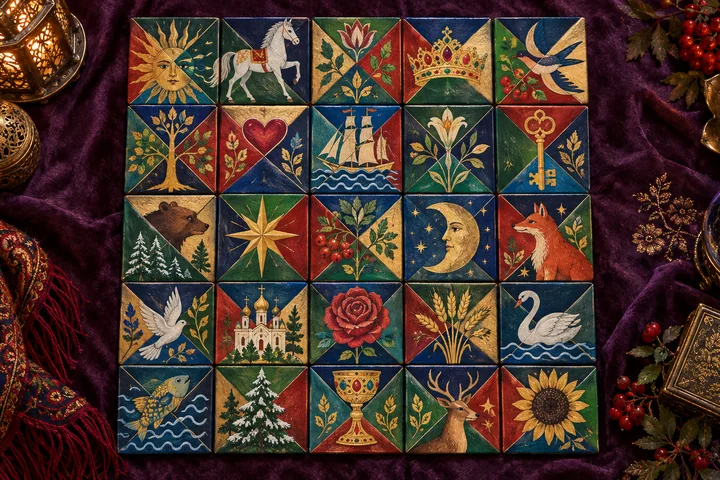
Twenty-five pieces. Fifty symbols. An image finds its meaning when it joins another.
Blue Oracle
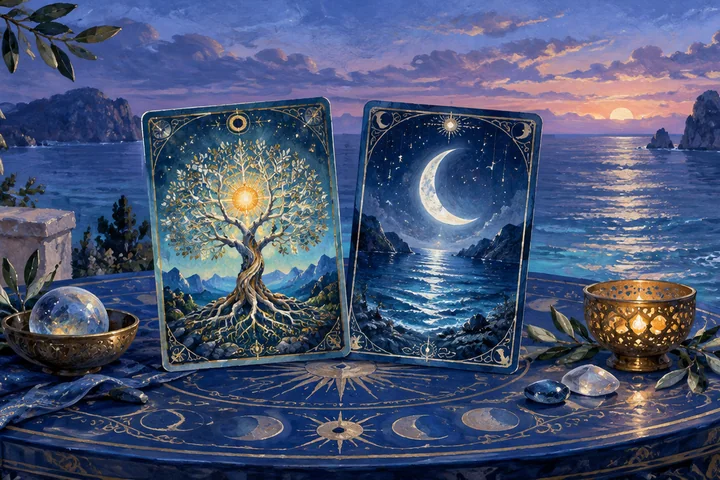
Immerse yourself in its symbols. One or two cards to reflect on what you are experiencing.
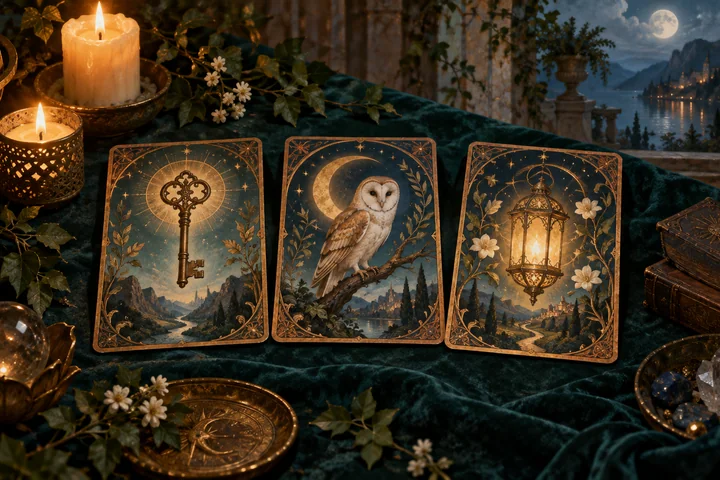
Belline Oracle
Keys, stars and omens. Choose one card or bring three keys together in a reading.
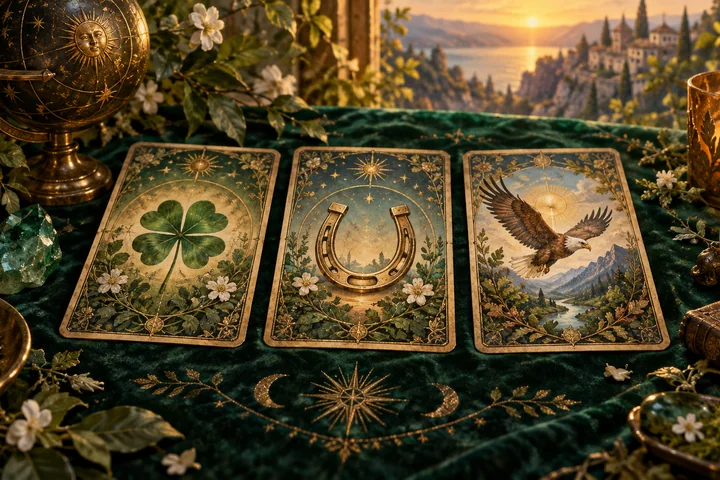
Luck Oracle
Discover the symbol that meets you and the opportunity it represents.
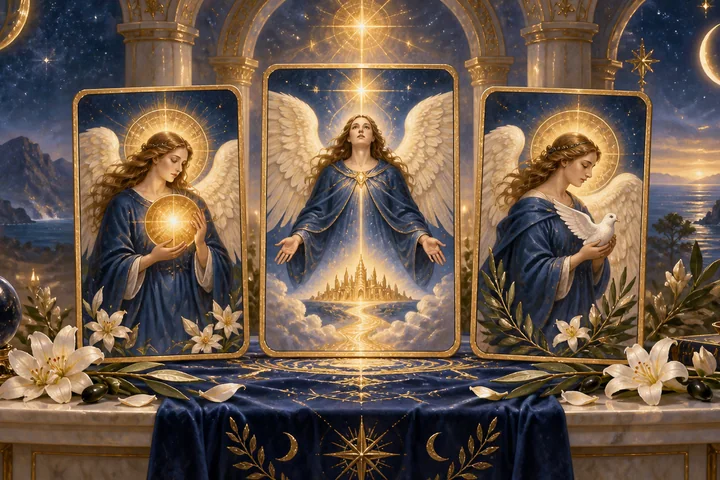
Angel Oracle
One card, a presence and a message to accompany this moment.
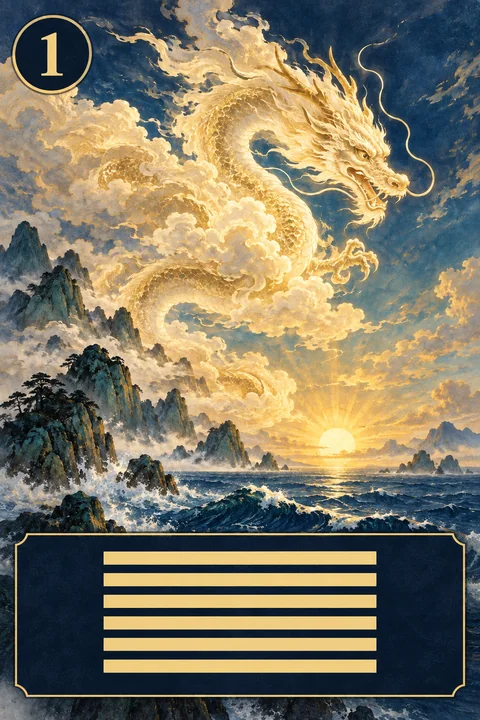
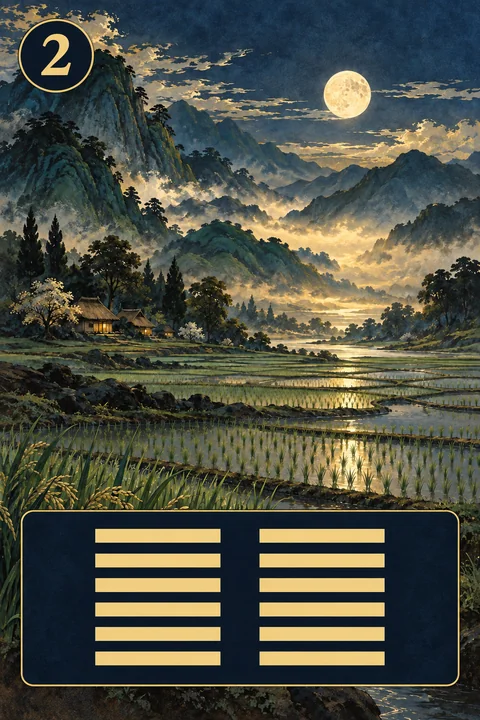
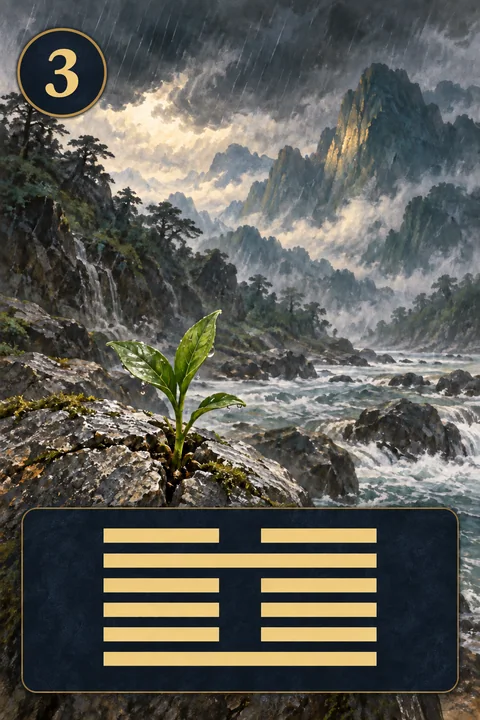
I Ching Oracle
Each throw of three coins forms one line: ☀ counts as 3 and ☽ as 2.
Fate Oracle
A door opens, closes or remains veiled. Discover the answer to your question.
Color Oracle
Choose three different hidden colours from a catalogue of 69.
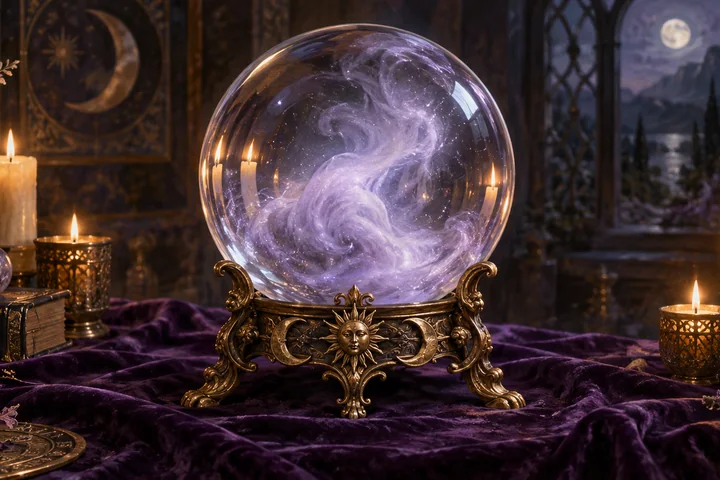
Crystal Ball
Think of a question. Let the mist clear and discover the sphere’s sign.
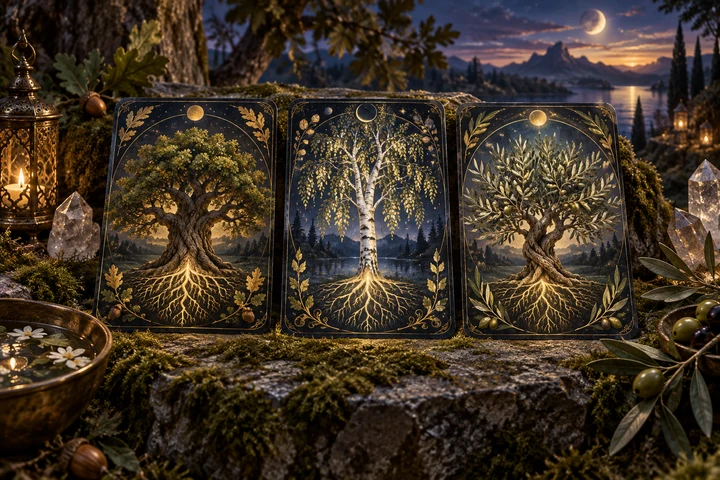
Oracle of Trees
Three trees to explore your roots, what is growing and your next step.

Animal Oracle
Thirty-two animals, three encounters: your impulse, your surroundings and a possible action.
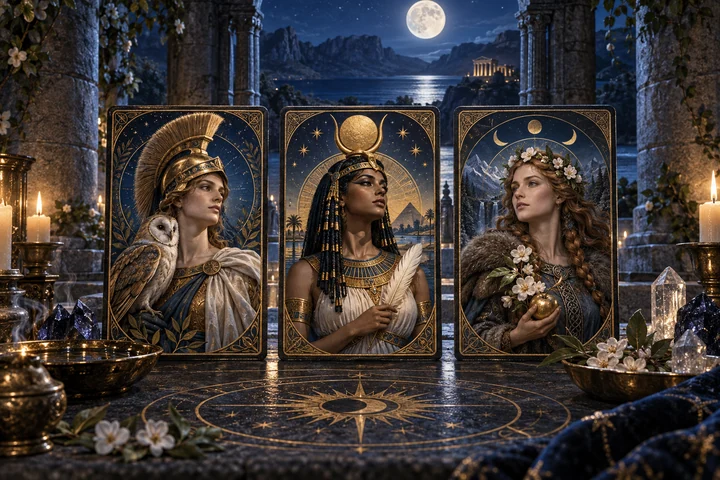
Goddess Oracle
A resource, a boundary and an action. Three cards from an original deck of 24 goddesses.

Labyrinth Oracle
Choose your path through twenty scenes. Four encounters, one connected reading and a next step.
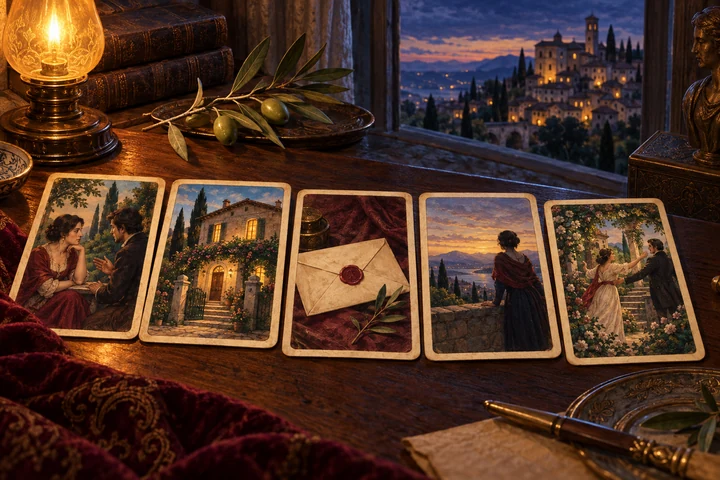
Italian Sibyl Oracle
Write your question and choose five cards. The Sibyl connects your situation, its influences and the possible direction of your reading.

Omikuji · Your Japanese fortune
Choose three areas and draw a fortune slip. Unfold a message for this moment and a short reflection for each area.
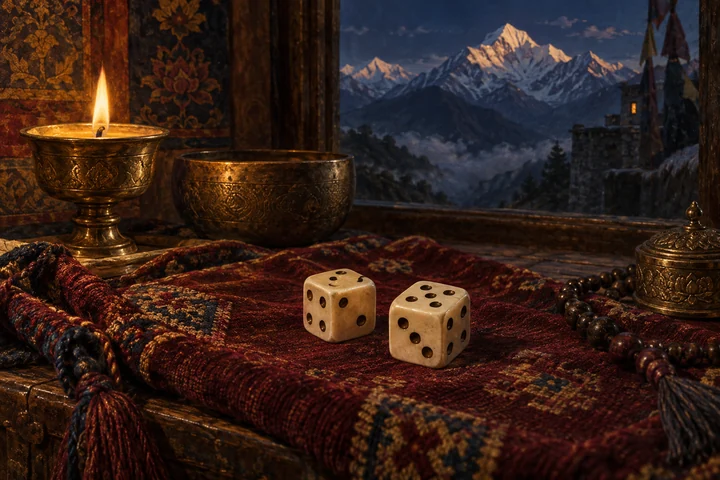
Tibetan Mo Oracle
Choose a topic and roll the die twice. The two syllables, in the order drawn, open one of the oracle’s 36 readings.
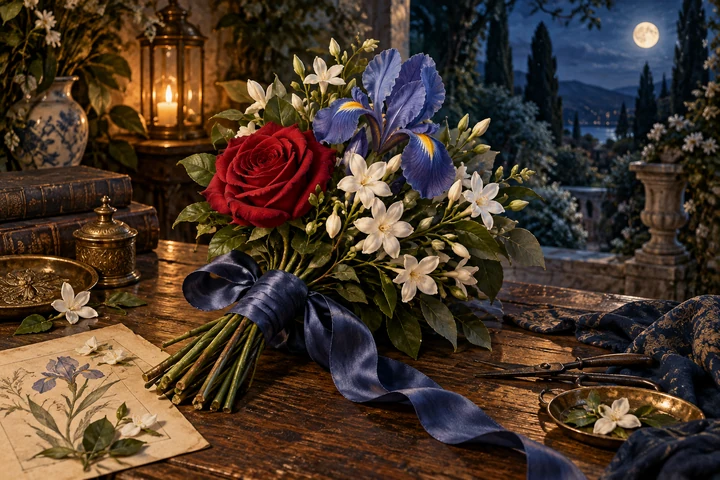
Flower Oracle
Choose three flowers to express, nurture and take a first step. Compose your bouquet and discover the message they form together.

Kau Cim · The oracle of sticks
Choose a topic and draw one of a hundred sticks. A scene and its moment help you notice what supports your situation, what holds it back an…
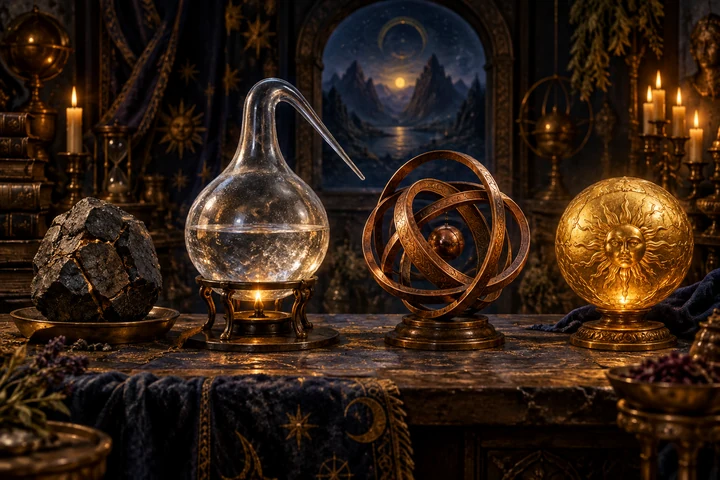
Alchemical Oracle
Four cards to transform a situation: break down, clarify, integrate and give form. Explore what to release, what to keep and where to begin.

Ogham Oracle
Choose three staves and reveal their signs. A reading about what needs attention, a resource you can use and a possible next step.
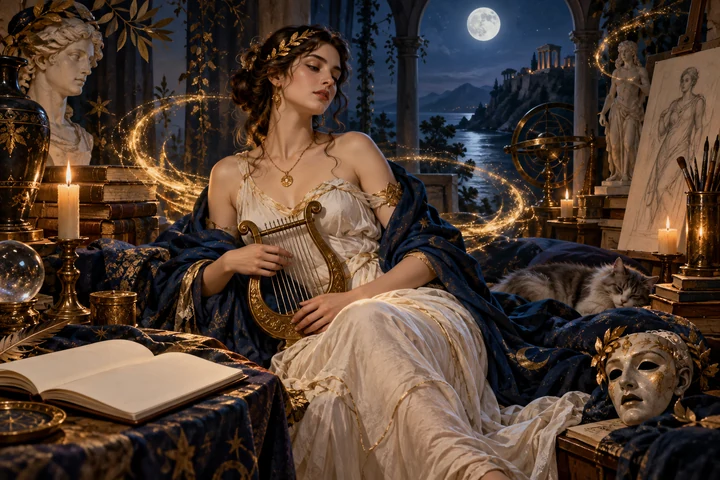
Oracle of the Muses
One muse, a fresh perspective and a small exercise to unlock your creativity.
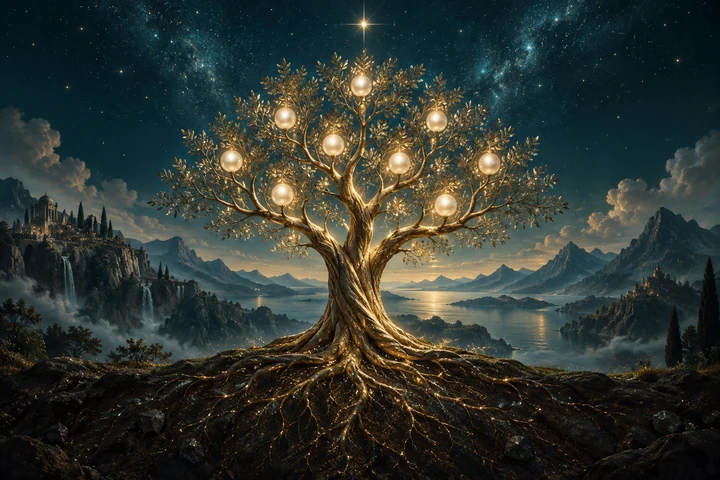
Tree of Life Oracle
Ten spheres, three aspects of your reading: attention, resource and action.
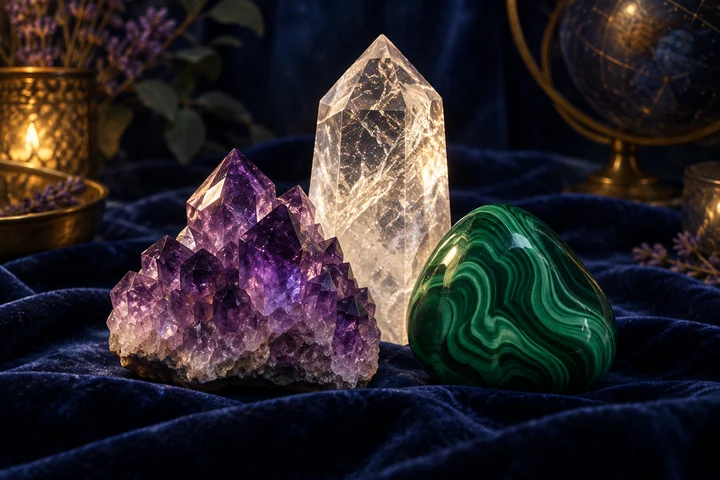
Crystal Oracle
Three stones, three perspectives and a practical step for your chosen theme.

Mantegna Oracle · The symbolic staircase
Five illustrated encounters connect your situation, inspiration, resource, attitude and direction. Discover a complete reading of the path.
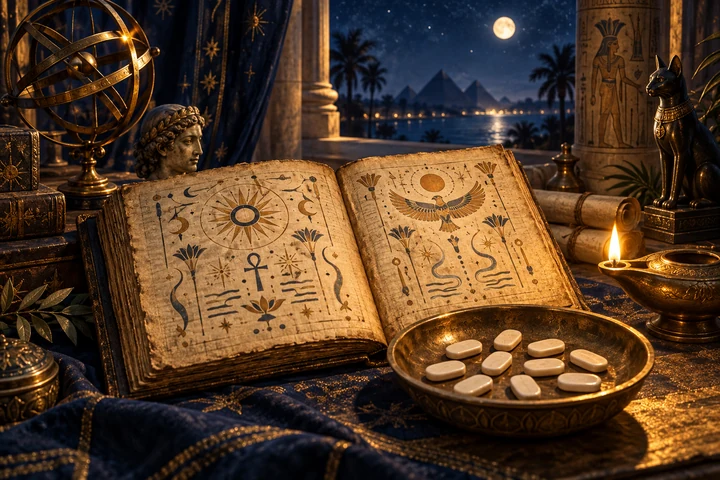
Oracle of Astrampsychus · The book of answers
Choose a specific question and draw a numbered lot. Open a short answer with its condition and a practical direction.
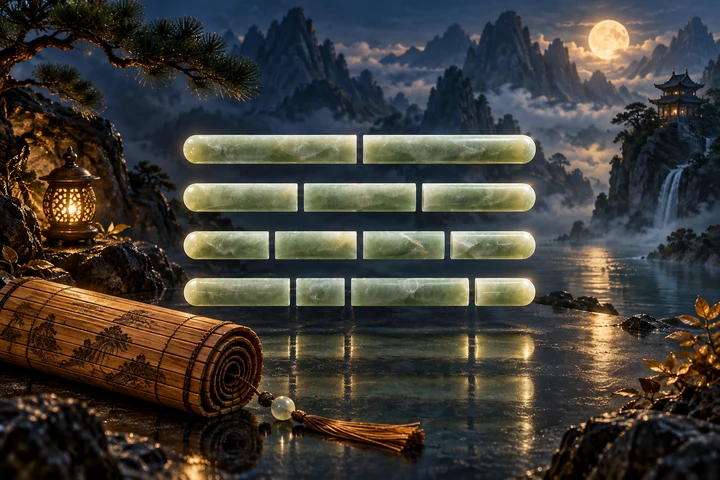
Taixuan · Oracle of the 81 signs
Form a four-line sign and discover its symbolic message. A clear direction, its nuance and one possible step.
Tarot is one symbolic system among many. Long before the first tarot deck, humans were reading runes, hexagrams, angelic correspondences, crystal reflections, color associations. This hub gathers eleven oracles — from the 3,000-year-old I Ching to the Viking runes, from the Belline deck to the Crystal Ball. Each oracle answers a different kind of question. Choosing the right oracle for your moment is half the work.
Oracle vs. tarot — when each one fits
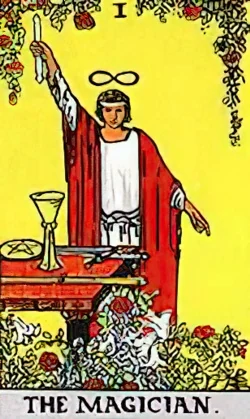
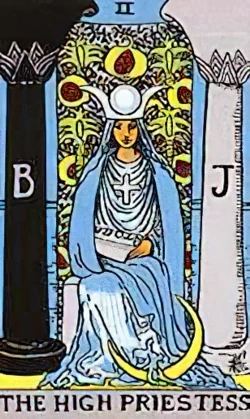
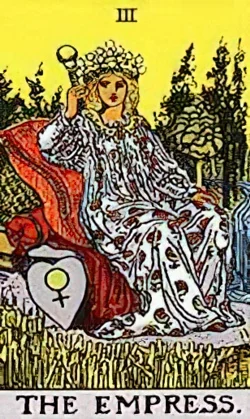
A tarot deck has 78 cards in a fixed structure (22 Majors, 56 Minors, four suits). This makes it powerful for layered, multi-card spreads on complex life questions. An oracle, by contrast, has its own structure — 24 runes, 64 hexagrams, 36 Lenormand cards, 53 Belline cards — and is usually read with one or two pieces, not full spreads. Oracles tend to give more direct, less narrative answers. Tarot tells you a story; an oracle hands you a key.
Practical rule: if your question is layered ("what is happening in this relationship?"), use tarot. If your question is pointed ("what attitude do I bring to this situation?"), use an oracle. If your question is binary, use the Yes/No Tarot or a pendulum. If your question is about timing or transformation, the I Ching is unmatched. Different oracles for different questions; this is not redundancy, it is precision.
Three major oracle families and what they read
The I Ching (64 hexagrams of six lines each) is the oldest active oracle in the world — Chinese, three millennia old, used by Confucius and Jung. It reads situations in terms of process and change, not snapshot. A hexagram describes the energy of a moment and how it is transforming. The runes (24 letters of the Elder Futhark) are the Norse counterpart — terser, harder, more action-oriented. The runes ask "what now?" where the I Ching asks "what is unfolding?".
The angel oracles (Doreen Virtue tradition and many variants) are softer-toned, devotional, useful when the question is emotional or relational rather than strategic. The Belline deck (French, 19th century) sits between tarot and oracle: 53 cards, used like Lenormand for everyday questions. The Crystal Ball and the Color Oracle work intuitively rather than symbolically. Each family has its register; you do not use a sledgehammer for a thumbtack.
Which oracle for which kind of question
- For binary, time-pressed decisions: the Yes/No Oracle or the pendulum. Do not use the I Ching for "should I send this email?" — that is overkill. Match the depth of the oracle to the depth of the question.
- For situations in transformation: the I Ching. Its strength is reading process, the energy moving from one configuration to another. When you do not know what is changing or where it is going, the I Ching is the right tool.
- For action and willpower questions: the Viking runes. They are direct, pragmatic, suited to "what should I do?" rather than "what is happening?". Many readers use runes for moments requiring courage.
- For emotional or relational support: the Angel oracle or the Blue Oracle. When you do not need a strategic answer but a steadier inner footing, these gentler oracles do that work without pretending to be something they are not.