Astrology
Online Astrology
Free astrological calculations: natal chart, ascendant, moon and sun signs, zodiac compatibility, lunar calendar and biorhythms. For cultural horoscopes see the Horoscopes section.
Zodiac compatibility
Compare two signs in love, friendship and work. Explore symbolic affinity, examples and questions for conversation. Free, with no registrat…
Moon Sign Calculator
Moon Sign Calculator: Enter the requested details and view the tool’s result. Free, with no registration.
Sun Sign Calculator
Sun Sign Calculator: Enter the requested details and view the tool’s result. Free, with no registration.
Ascendant Calculator
Calculate your ascendant from your birth date, time and city and explore its description, traits and advice.
Natal Chart
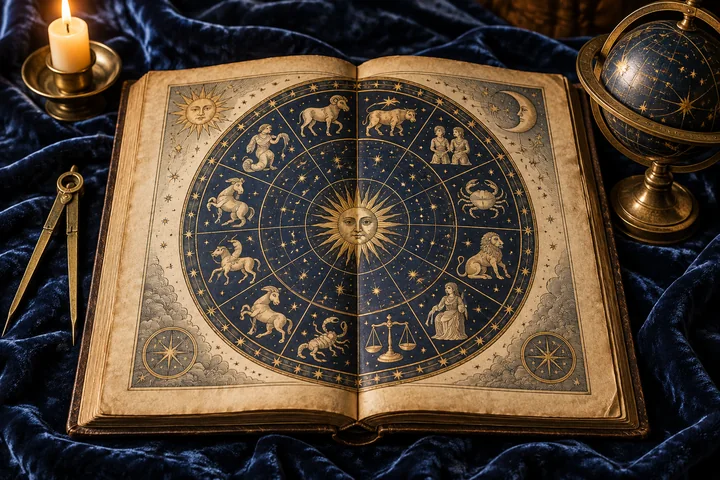
Enter your birth date, time and city. Historical time offsets are applied automatically to calculate the Sun, Moon and Ascendant and show t…
Lunar calendar
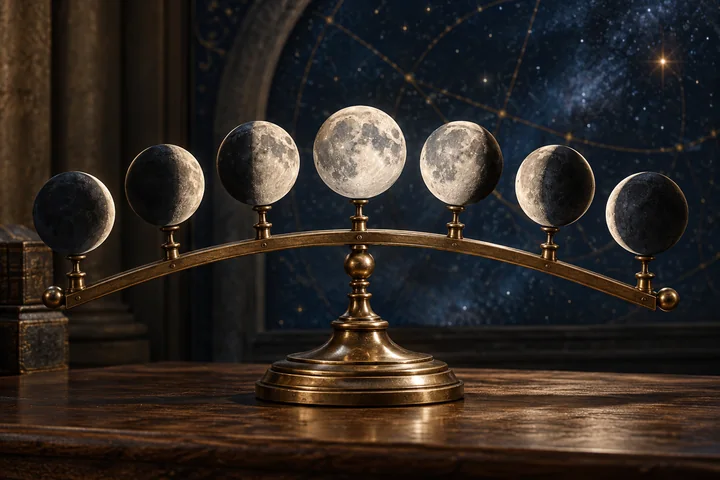
Check Moon phases, illumination and upcoming new and full Moons. Browse the months and choose your time zone. Free, with no registration.
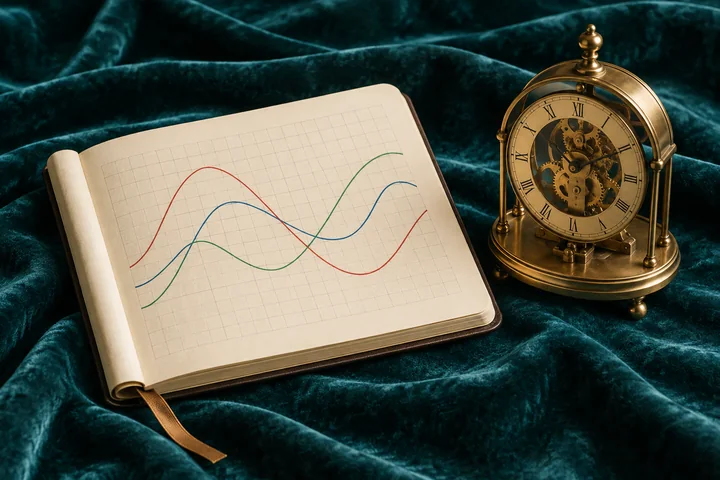
Biorhythm Calculator
The chart represents symbolic cycles of 23, 28 and 33 days from birth.
Relationship synastry
Compare two birth charts: affinities, communication and points of friction between their planets.
Your personal transits
See which planets activate your birth chart and their approximate active periods.
Your solar return
Calculate the Sun’s return to its birth position and explore the themes of your new annual cycle.
Composite Relationship Chart
A chart for the bond you create together: its tone, support and tensions.
Planetary Hours
The Sun’s rhythm in your location, divided among seven traditional planets.

Your Astrology World Map
Explore your birth’s planetary lines and their correspondences near a city.
Retrograde Calendar
See which planets are retrograde and the dates of each change throughout the year.
Lunar Return
The Moon’s next return to its natal position: a chart for your new lunar cycle.
Secondary Progressions
One day for each year of life. Explore the symbolic movement of your Sun, Moon and personal planets.
Your Year’s Theme · Profections
Explore your ages and the house, sign and ruler of each birthday-to-birthday period.
Eclipses in Your Chart
Explore solar and lunar eclipses and their contacts with your birth chart.
Compare Dates with Astrology
Compare two to five moments for a meeting, presentation or creative project.
The Chart of Your Question
Ask about a relationship, a job application or a professional project. Explore its horary chart.
Your Saturn Return
Explore your return dates, repeated crossings and the theme of this astrological stage.
Your draconic chart
Compare your tropical positions with those measured from the north lunar node. Explore each planet and discover what changes and what stays…
The sky at your birth
Explore the stars and planets above your birth horizon. Rotate the map, explore its constellations and download a keepsake of that moment.
The Wheel of the Year
Explore eight celebrations of the seasonal cycle. Choose a year and hemisphere, check their dates and find a symbolic gesture for each stag…
Your Human Design
Explore your type, profile and network of centers, gates and channels. A symbolic map calculated from your birth, with clear explanations o…
Your Life Chapters · Zodiacal Releasing
Explore a timeline of chapters and subchapters from the Lot of Spirit. View their dates and symbolic themes for projects and life direction.
Your Vedic chapters · Dashas
Explore your planetary periods, current subperiod and next transition.
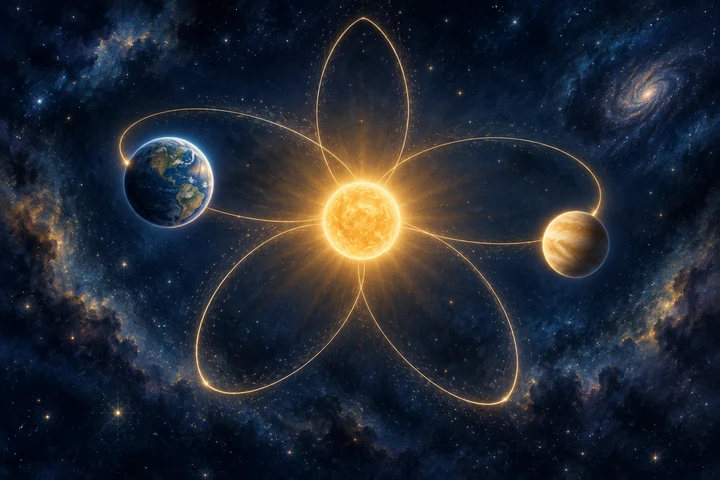
The Venus rose · Your eight-year cycle
Discover the pattern Venus traces around Earth and explore its meetings with the Sun.
Your Navamsa chart · The D9 map
Explore your Vedic divisional chart beside the sidereal birth chart.
Fixed stars in your birth chart
Discover zodiacal contacts between selected stars and your natal planets. Explore a clear map, exact distances and their symbolic reading.
Astrology, taken seriously, is not a daily horoscope. It is a map of the sky at the moment of your birth, read as a set of patterns about temperament, timing and relationship. This hub gathers the tools that work with that map — natal chart, ascendant, moon sign, sun sign, zodiac compatibility, lunar calendar, biorhythms. Cultural horoscopes (Chinese, Mayan, Egyptian) live in a separate hub. Here, the focus is Western astrology and what it can actually tell you.
Astrology as a map, not a destiny
The serious tradition of astrology — from Ptolemy through Kepler to modern psychological astrology — has always treated the chart as a portrait, not a prediction. Your natal chart shows the configuration of sun, moon, planets and houses at your birth. It is read as a description of inherent tendencies: where you draw energy, what you fear, how you love, what you build. None of this is fate. The same chart can produce very different lives, depending on what the person does with it.
What astrology is good for: self-recognition. Many people read their natal chart and recognize themselves with a precision that is uncomfortable. What astrology is not good for: predicting external events, picking lottery numbers, or replacing your judgment. When you see astrology as a high-resolution self-description, you use it well. When you see it as a forecasting engine, you set yourself up for disappointment.
The sun-moon-ascendant trinity
If you read only three points in your chart, read these three. The sun sign (the one everyone knows from magazines) is your conscious identity, what you are becoming, your daylight self. The moon sign is your inner emotional life, what you needed as a child and still need now. The ascendant (rising sign) is the mask, the way you arrive in a room, the first impression you make. Most people overidentify with the sun and underestimate the moon and ascendant.
These three signs interact. A Sagittarius sun with a Cancer moon is publicly adventurous and privately homesick — a different person from a Sagittarius sun with an Aries moon, even though both call themselves Sagittarius. This is why magazine horoscopes feel so vague: they read only the sun. The natal chart reads dozens of points. The trinity is the entry, not the whole map. Once these three click for you, the rest of the chart starts to make sense.
Where to start with your chart
- Calculate your full natal chart first: begin with the birth chart. You need exact birth time and place; without time, the ascendant and houses cannot be calculated and you lose half the map. If you do not know your birth time, get it from your birth certificate or hospital records.
- Read in this order — sun, moon, ascendant, then planets, then houses: do not start with detailed aspect interpretation. Get the trinity solid first. Most people who say "astrology does not fit me" only know their sun.
- Use the lunar calendar for timing, not for personality: the lunar calendar is excellent for choosing when to start, finish or rest. New moon for beginnings, full moon for completions and clarity, waning moon for letting go. This is practical, not predictive.
- For relationships, check compatibility but do not over-rely on it: zodiac compatibility gives a baseline — easy resonances and likely friction points. It does not predict whether you will be happy together. Two "incompatible" charts with mature partners outperform two "compatible" charts with immature ones every time.