Tests
Tests to know yourself
Explore your affinities with elements, archetypes, animals, and deities. You can also discover the past life reading.
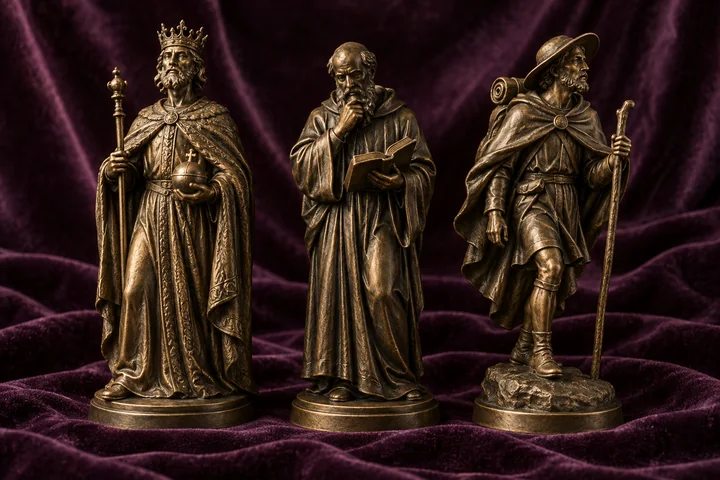
What archetype are you?
Answer twelve questions and explore twelve archetypal figures through shared affinities, practical scenes and questions for reflection.
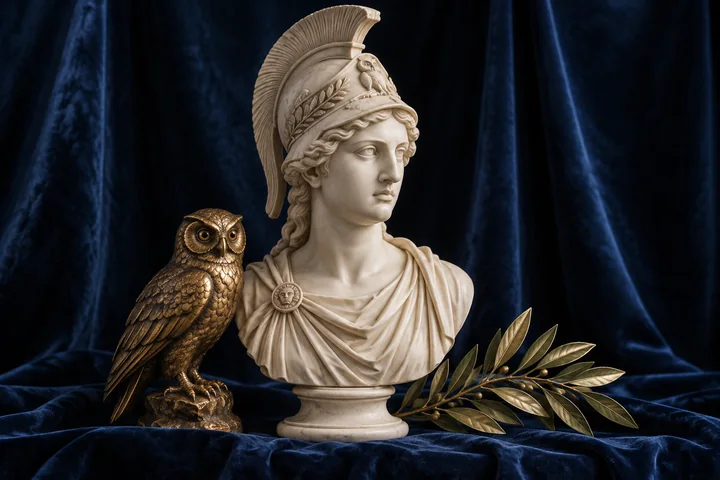
Discover your mythological deity
Explore five mythological figures through ten questions, with affinities, everyday scenes and prompts for a symbolic reading.

Past Lives Test
Answer eight questions and open an AI generated past life story, with a guide to interpreting it, saving it and adding your own notes.

Totem animal test
Answer eight questions and explore symbolic affinities with eight animals through readings, practical examples and reflection questions.
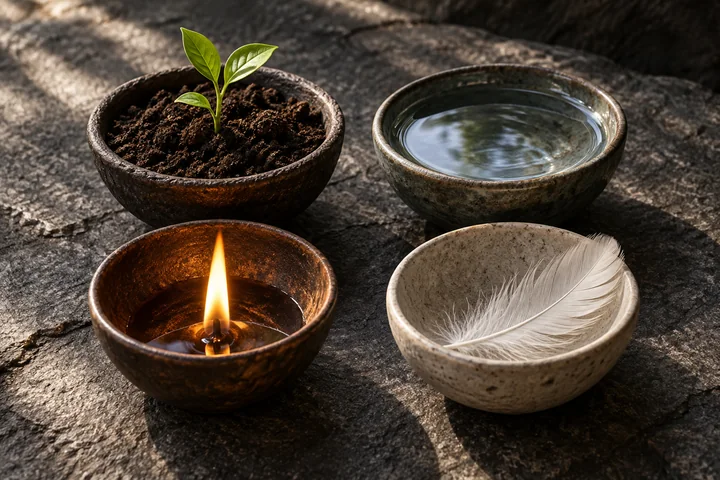
Dominant element test
Explore your affinity with Fire, Water, Earth and Air through nine questions, with nuanced readings, practical scenes and reflection prompt…
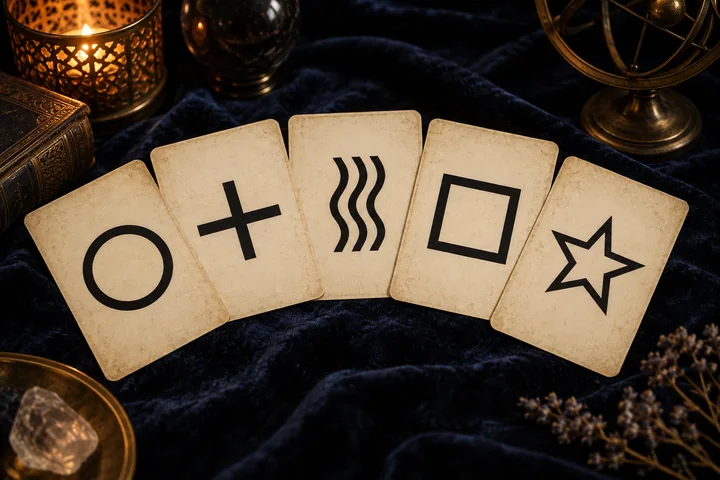
Extrasensory Perception (ESP)
Choose a round of 10, 20 or 25 attempts with five possible symbols.
Chakra Reflection Test
Twenty-one questions to explore seven themes in daily life.

How Do You Listen to Your Intuition?
Sixteen everyday situations to explore how you observe, sense, imagine and reflect.

How Do You Face Change?
Sixteen situations to explore how you prepare, try alternatives and seek support.

How Do You Set Boundaries?
Sixteen situations to explore how you recognise, express and maintain boundaries.

How do you give and receive affection?
Answer sixteen everyday situations. Discover which gestures you tend to offer and which make you feel more connected.

Your values compass
Twelve everyday decisions to recognize your priorities. See which values recur, where a tension appears and how changing one choice changes…

How do you relate to money?
Ten everyday situations to explore what matters when you spend, save or postpone. Discover your patterns without entering income or banking…

What restores you and what drains you?
Rate twelve situations and draw your everyday energy map. Identify restorative activities, draining situations and three ideas to try.
Symbol Memory
Observe an illustrated sequence and rebuild its order. Play five rounds at your own pace or with a timed challenge, and track your progress.

How do you handle disagreements?
Twelve situations to explore how you listen, state your position and seek agreement.
Your personal balance wheel
Reflect on eight areas of life and choose where to take a small step.

What stops you from starting?
Twelve situations to recognise what you put off and find a manageable first step.
Find the different symbol
Look closely: one symbol changes. Play at your own pace or take the challenge.

How do you talk to yourself when something goes wrong?
Recognise your inner response to mistakes and prepare a more useful sentence.

Your support constellation
Map the support around you and choose one connection to care for.

The hidden message · Word search
Find the words, complete the board and uncover a final message.
Enneagram · Your motivations
Explore what you seek and protect in everyday situations. Compare nine patterns and discover a practical way to respond.

How do you handle uncertainty?
Notice what you do while an answer is still open. Separate facts, assumptions and a step you can take without knowing everything.
The lost mandala · Puzzle
Rebuild an original geometric mandala by swapping and rotating its pieces. Choose your challenge and take your time.
Explore your affinities with elements, archetypes, animals, and deities. You can also discover the past life reading.
Profiles you can find
Answer nine questions and explore your symbolic affinity with Fire, Water, Earth, and Air, along with strengths, challenges, and advice.
Answer twelve questions and explore your affinities among twelve archetypes, complete with strengths, challenges, and suggestions for practice.
Answer eight questions and explore eight animals as metaphors for your preferences, along with strengths, challenges, and advice.
Answer ten questions and explore your symbolic affinity with Athena, Aphrodite, Thor, Demeter, and Hecate.
How to interpret the reading
These categories are symbolic resources for exploring preferences and habits. You might recognize one part and disagree with another. Use what helps you think about concrete situations, without turning the result into a rigid label.
How your profile is obtained
Each option adds points to profiles related to its meaning. The score achieved is compared with the maximum possible score for each profile. Ties are shown as shared affinities. With the same answers, you will get the same result, even when changing languages.