Tarot
Online Tarot with AI
Online Tarot with AI — Explore the tools in this section and choose a reading for your question. Each page explains how it works and what the result includes.
Yes or No Tarot
Free Yes or No Tarot: think of a question and choose three of the 22 Major Arcana. Writing it is optional. Get a brief answer and save your…
Love Tarot
Choose your relationship situation, ask your question and pick five cards. Receive a brief AI reading and save it without signing up.
Work & Money Tarot
Ask about finding work, your current job, a project or your money. Choose five cards for a brief AI reading you can save without signing up.
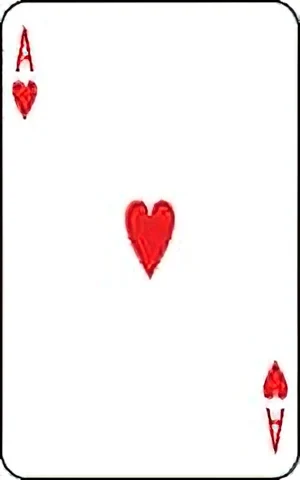
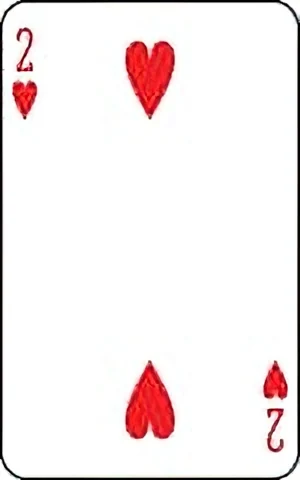
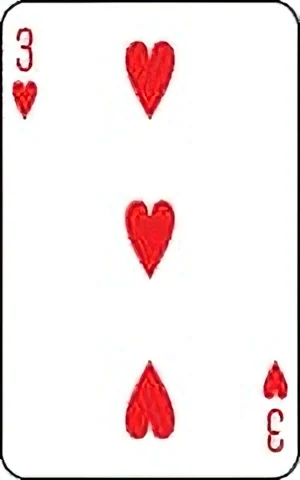
Poker Tarot
This application uses 52 poker cards without jokers, divided into hearts, diamonds, clubs and spades.
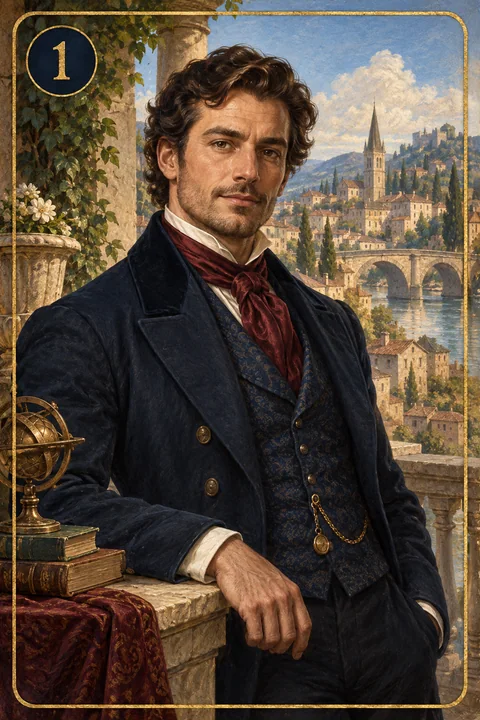
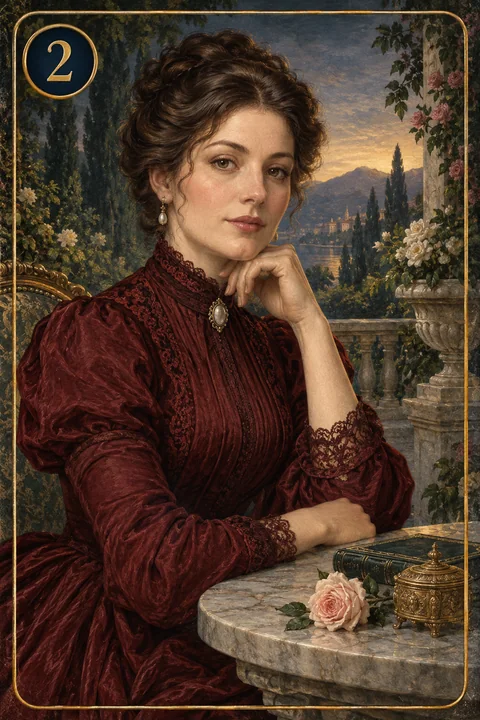
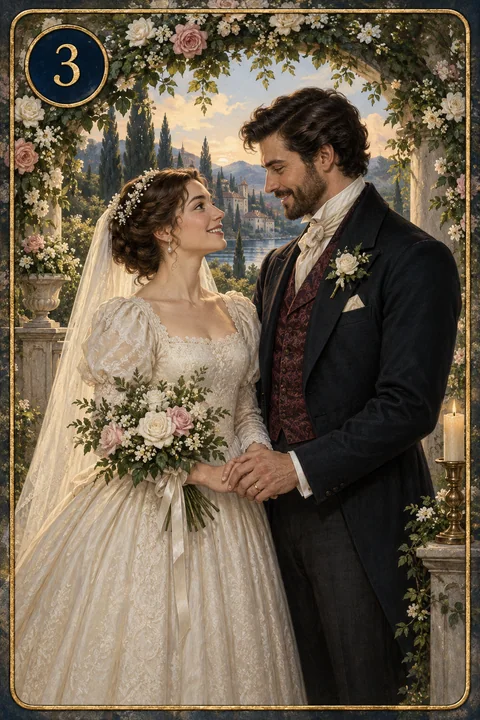
Gypsy Tarot
Explore Gypsy Tarot with 36 original illustrated cards. Enter your question, choose three cards and receive a combined AI reading.
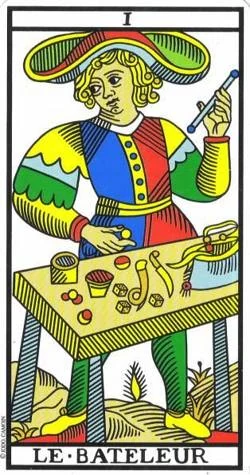
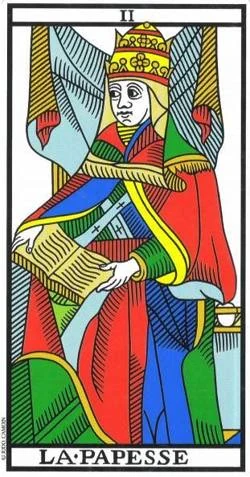
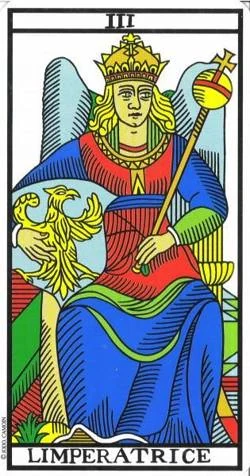
Marseille Tarot
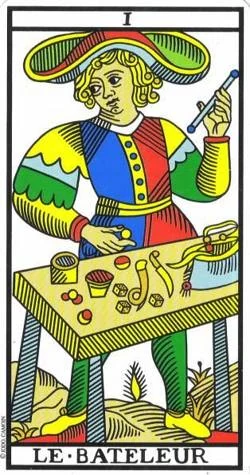
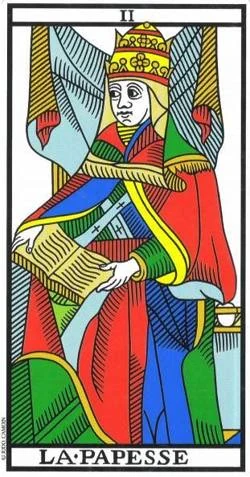
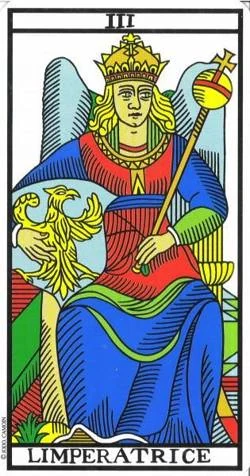
This version of Marseille Tarot uses the 22 major arcana.
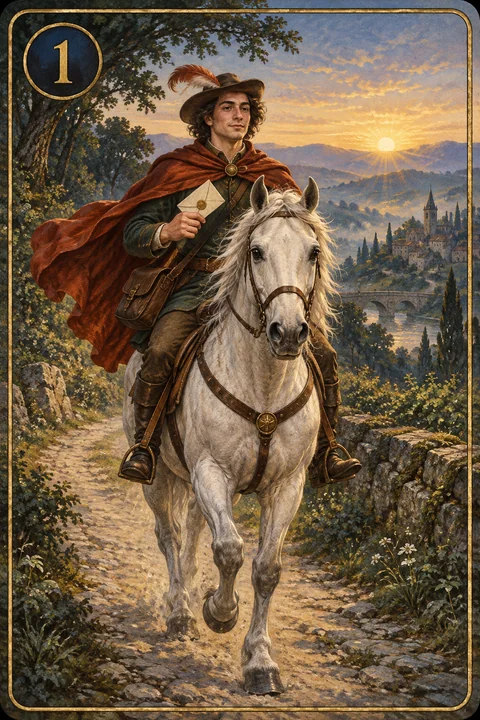
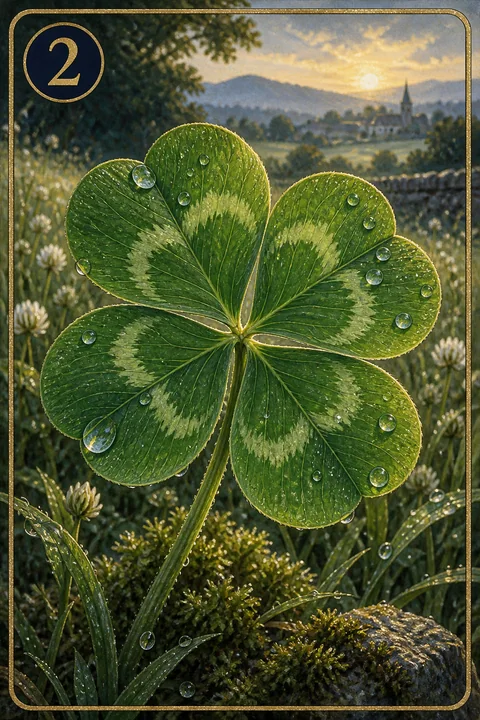
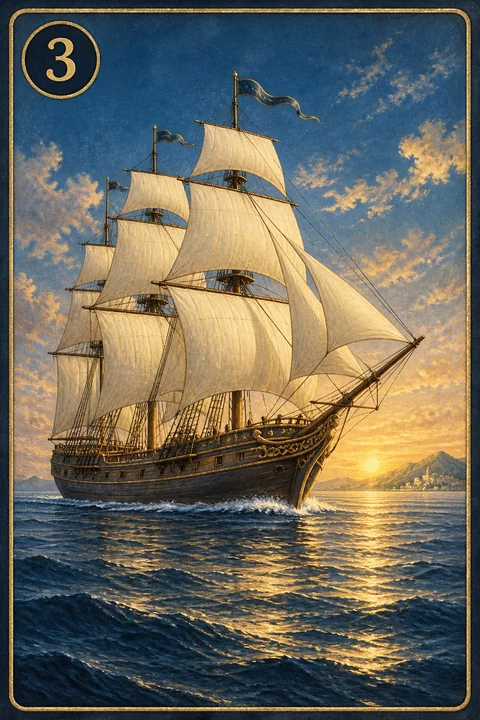
Lenormand Tarot
This application uses the 36 Lenormand cards, with symbols such as the Rider, Clover, Ship and House.
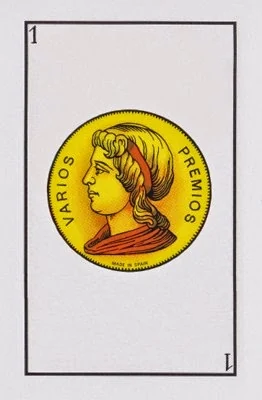
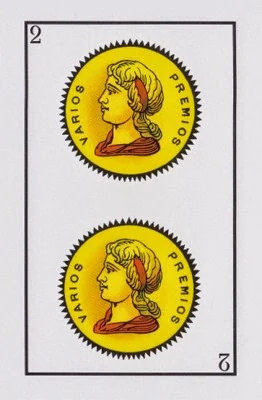
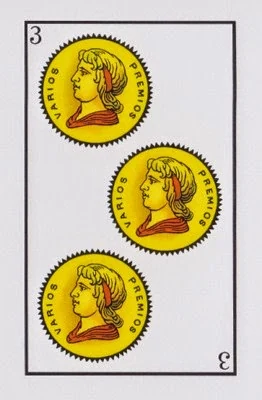
Spanish Tarot
This application uses a 48-card Spanish deck with coins, cups, swords and clubs.
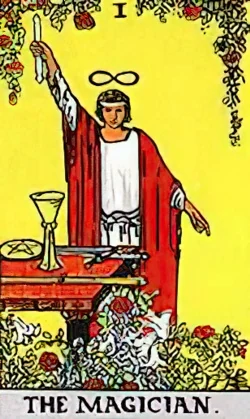
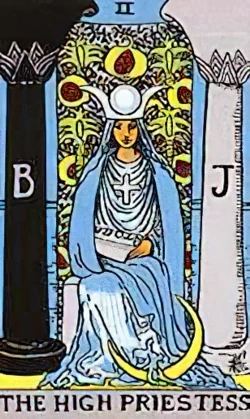
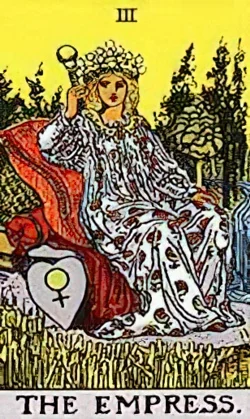
Rider-Waite Tarot
This application uses all 78 Rider-Waite cards: 22 major and 56 minor arcana.
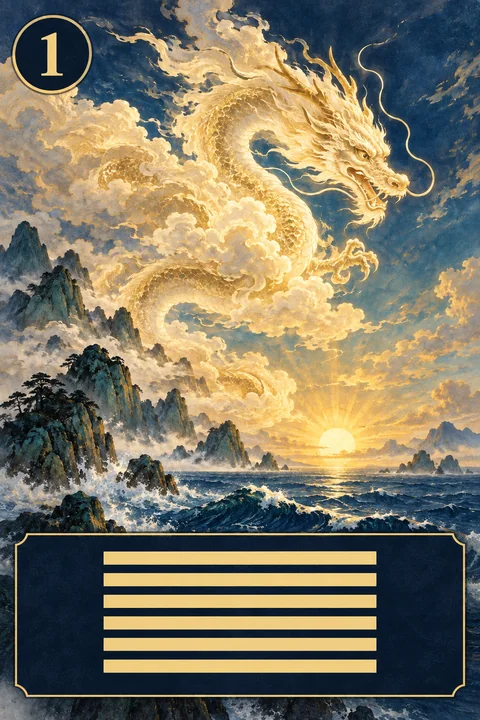
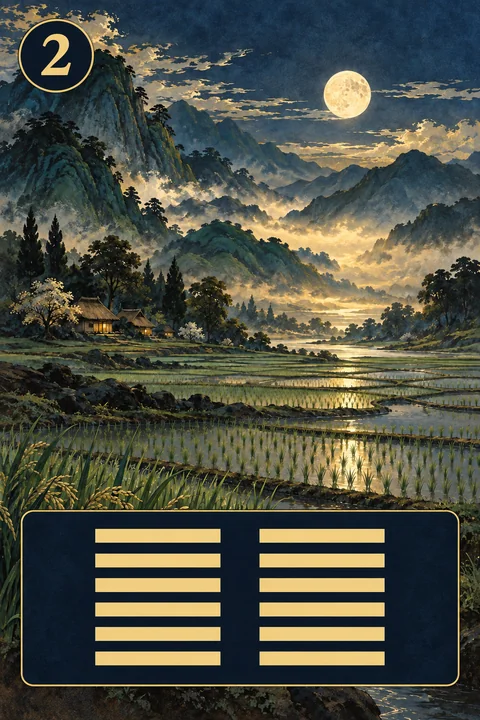
I Ching with AI
This card variant uses the 64 hexagrams.

Two Paths Tarot
Compare two options with seven tarot cards: your situation and the potential, challenge and advice for each path. An AI reading you can sav…
Card of the Day
One card to accompany your day. Discover its message and a practical suggestion. Your draw stays in this browser. No account needed.
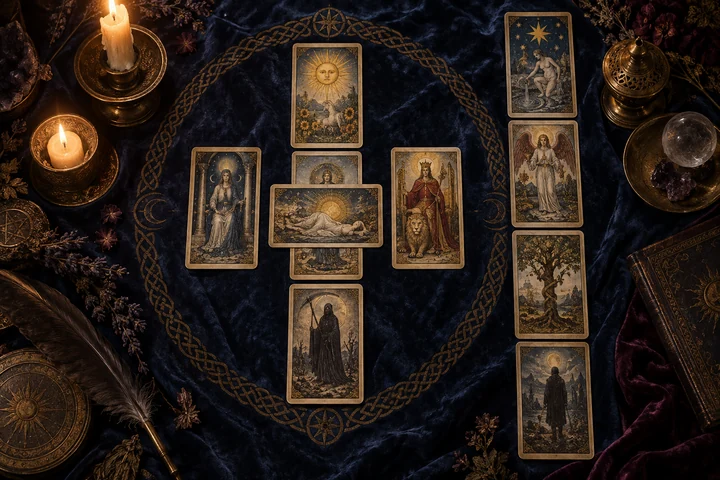
Celtic Cross Tarot
Ten cards around your situation. One clear, brief answer. Select Save reading when it is complete.
Past, Present & Future Tarot
What you carry forward, where you stand and where your situation may lead. Select Save reading when it is complete.
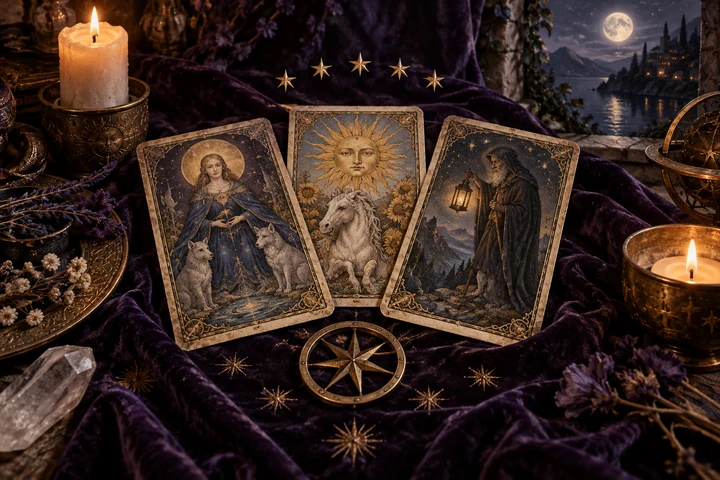
Weekly Tarot
Three cards for your week: outlook, opportunity and caution. Your draw stays in this browser. No account needed.
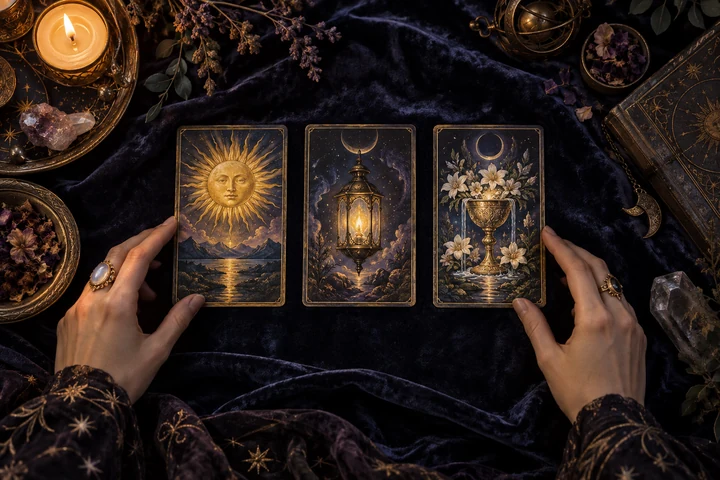
Interpret your own cards
Choose the cards from your deck and their orientation. Receive one reading of your question.
Your birth arcana
Your birth date becomes a pair of major arcana, or the special group of three.
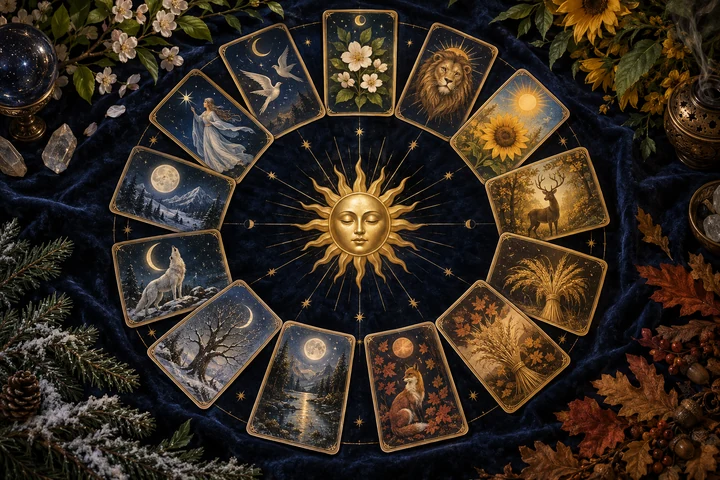
Year Ahead Tarot
Twelve months, twelve cards. A message for each month and the thread connecting your year.
Tarot for Closing a Chapter
What has ended, what holds you back and how to move on while keeping what matters.
Tarot for a Pending Conversation
Four cards to prepare what to say, how to approach it and where to begin.
Thoth Tarot
Five cards that come together to answer your question.
Etteilla Tarot
Five cards from a different deck. A clear answer to what is on your mind.
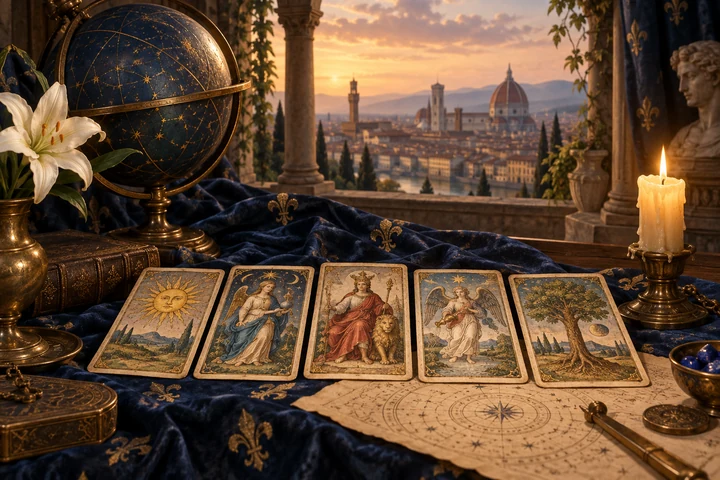
Renaissance Tarot · Minchiate
Five cards from an original 97-card deck. One clear answer to your question.
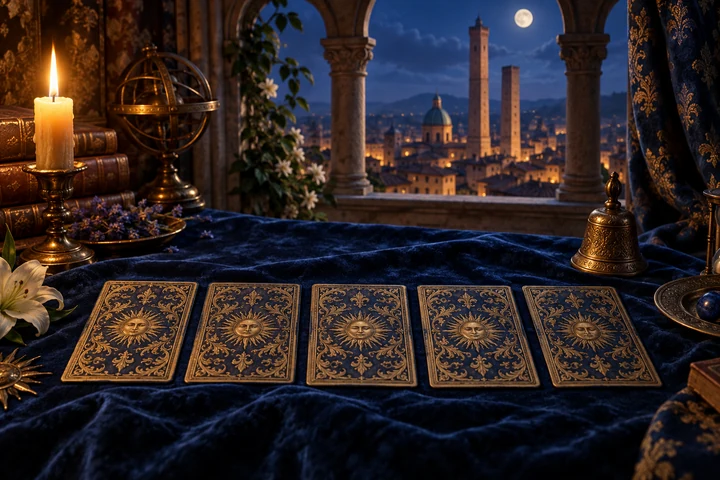
Tarot of Bologna · Tarocchino
Five cards from an original 62-card deck. A joint reading focused on your question, with a clear answer and a useful next step.
Tarot has survived five hundred years for a simple reason: 78 cards are enough to talk about almost anything that happens to a human being. What is new is the format. On Tarotki you find ten different tarot decks and reading types — from the classical Rider-Waite to the Marseille, from Lenormand to the Yes/No Tarot, with AI interpretation in seconds. The cards are the same as five centuries ago. Only the reading time has changed.
What tarot is today — without the marketing fog
Tarot is not divination of the future, and the serious tradition has never claimed otherwise. What it is: a structured language for talking with yourself about a situation. The 78 cards cover the recurring archetypes of a human life — change, loss, beginning, conflict, love, work, fear, hope. When you draw a card and it speaks to your situation, that is not magic. It is the system working: enough archetypes to cover almost any life, few enough to force a clear focus.
The AI does not change this principle. It changes the access. Where you used to need a reader or years of card knowledge, you now get a contextual interpretation in seconds — the card explained for your question, not in the abstract. That makes tarot more useful for actual decision-making, not less. The condition: you ask honestly, and you accept that an uncomfortable card is usually more valuable than a flattering one.
The structure of the 78 cards
The deck splits into two halves. The 22 Major Arcana — from The Fool to The World — are the great life themes: initiation, love, crisis, transformation, completion. When a Major card falls, it usually means the question touches a structural theme, not a daily one. The 56 Minor Arcana are organized in four suits — Wands (will, energy), Cups (emotion, relationship), Swords (thought, conflict), Pentacles (matter, work, body) — each from Ace to King. They cover the daily texture of life.
A reading is rarely about one card. It is about the combination: which suits dominate, which Majors appear, where the cards reverse. Many Cups and few Swords means an emotionally laden situation with little mental clarity. Many Pentacles and one Major points to a material decision with structural weight. The art of reading — for AI as for human — is in this layering, not in single-card interpretation.
How to actually use this hub
- Choose your deck by question, not by aesthetics: for life-direction questions take Rider-Waite or Marseille. For relationship and daily-life questions, Lenormand. For binary decisions, the Yes/No Tarot. For career, the Work Tarot. Decks are tools, not decorations.
- Formulate the question before drawing: "Should I quit my job?" is a bad question (yes/no, no nuance). "What do I bring with me from this job, what do I leave behind?" is a good question. The quality of the reading depends mostly on the quality of the question.
- Do not redraw on the same day: if the answer disappoints, sit with it for at least 48 hours. Redrawing within hours is fear, not honest seeking. Most uncomfortable readings either confirm themselves or dissolve naturally within a week.
- Combine systems for big decisions: use the tarot first, then check with the I Ching or with your life path number. When two systems agree, you have unusual clarity. When they disagree, you learn where your inner conflict actually sits.