✦ ✦ ✦

Oráculo Gitano Ruso

─── ✧ ───

Concéntrate en tu pregunta y a continuación pulsa el botón comenzar.

Selecciona una de las seis cartas para comenzar la tirada.

Conexiones 0

Respuesta del Oráculo

Try Gypsy Deck now for free. Online reading with AI interpretation in seconds, no signup required.

The Gypsy Deck (also Russian Gypsy cards or Baraja Gitana) is a 36-card cartomancy with its own 5x5 tableau. Unlike the Gypsy Tarot, which is read in linear spreads, the Gypsy Deck builds a matrix in which connections between cards resolve visually. It is a contemplative, almost playful practice — no fast yes/no oracle, but a reading meditation.

A card that yields a story — or a tableau that shows relationships

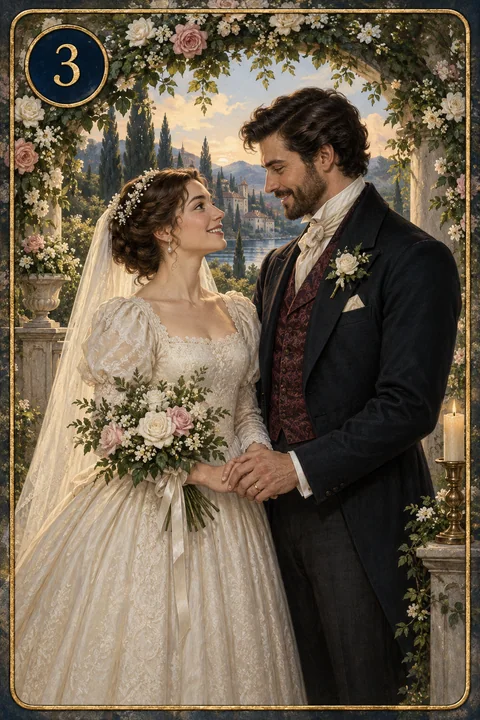
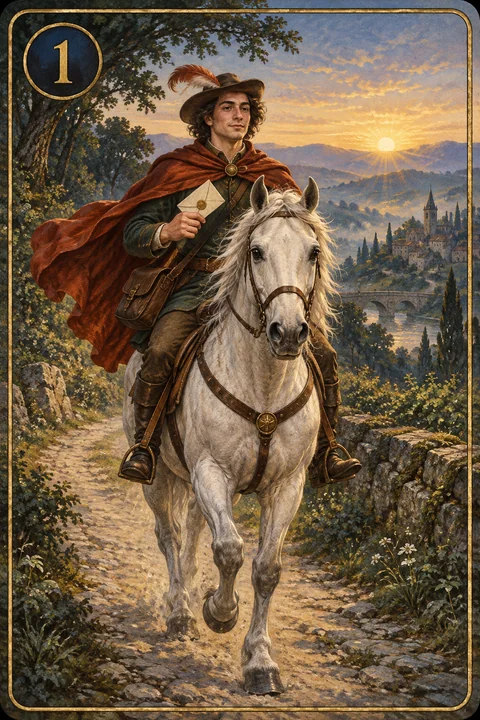
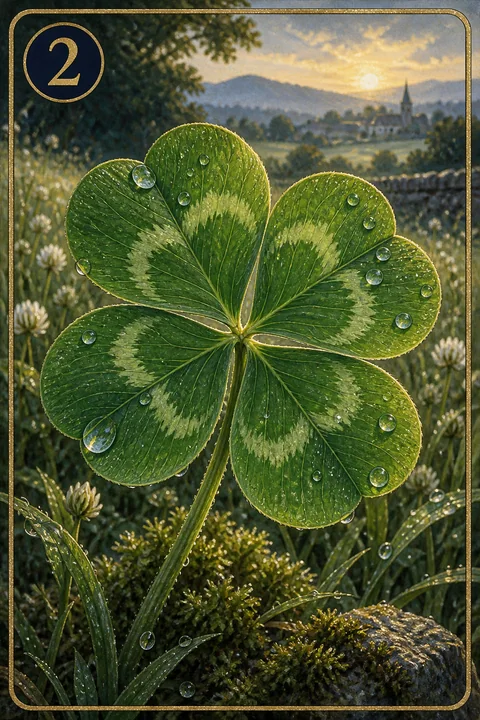
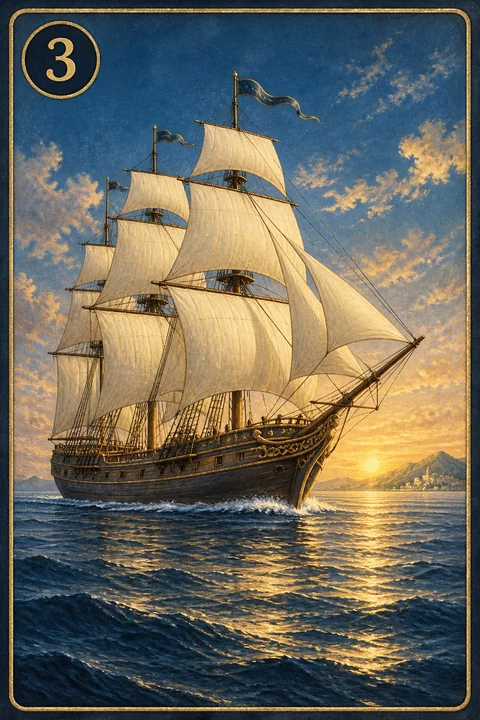
The Gypsy Deck has 36 cards with scenic motifs from the Eastern European-Romani folk tradition. The tradition comes from the 19th century — probably from Russia and exported through Central Europe to Western Europe. As with the Lenormand tradition, the printed deck arose in middle-class circles, inspired by the oral divinatory tradition of Romani communities.

What is special: the deck is laid out in the classical 5x5 tableau — five rows of five cards plus a central "personality card". The spatial relationships between the cards are then interpreted. Cards directly next to one another influence each other, cards at opposite ends of the tableau show polarities. It is an almost chess-like reading practice: one reads not linearly but in relationships.

What the tableau positions say

In the classical 5x5 tableau, every position has its own meaning. The central card represents the questioner — their current situation. The four corner positions stand for the four great life themes: love (top left), work (top right), money (bottom left), health (bottom right). Cards in these corners show what is active in each of those areas.

The lines (horizontal, vertical, diagonal) are read as stories — how energies move through the tableau. A favorable card directly next to the personality card is a near, active influence. A card at the outer edge is more background. Experienced readers "walk" through the tableau and find connecting narratives — what in one reading is primarily a love story is in the next reading primarily a career theme.

How to read the tableau meaningfully

FAQ

How does the Gypsy Deck differ from the <a href="/tarot/zigeuner-tarot-antwortet">Gypsy Tarot</a>?
Both have 36 cards and overlapping symbolism, but they are laid out differently. The Gypsy Tarot is read in linear spreads (3, 5, 9 cards in a row) — faster, more narrative. The Gypsy Deck of this app uses the 5x5 tableau — more contemplative, more relational. If you seek a quick answer, take the Gypsy Tarot. If you want a complete life reading, take the Gypsy Deck.
Does a 5x5 tableau also work meaningfully online?
In a limited way. The physical experience of a 5x5 tableau reading — laying out cards, wandering with the eyes, rearranging cards — is partly lost in the digital variant. The app compensates with visualized arrangement and AI reading of the relationships, but anyone who wants to experience the tradition properly should invest in a physical deck and a quiet hour.
What relationship does the deck have with real Roma culture?
An indirect one. Like the Gypsy Tarot, the Gypsy Deck is also a middle-class, often idealizing appropriation of Romani divinatory traditions, commercially printed in the 19th century. Real Roma cartomancy was usually oral, ad hoc, and often used repurposed playing cards. Whoever wants to understand the Romani tradition more deeply should read about the history and culture of the Roma in Europe — not just use the deck.
What to do if the reading confuses more than it clarifies?
That is normal with the 5x5 tableau. Reading 25 cards at once is overload for beginners. Recommendation: read first only the central card plus the four corner positions (5 cards in total). When that yields a story, slowly expand. With time you will be able to read the whole tableau at once — but it takes months of practice.

Related